←Back to Wiki
sekhmet
📅 Updated:2026-02-18
🕒 Created:2021-09-05
🆔 ID:37333
Description
Description
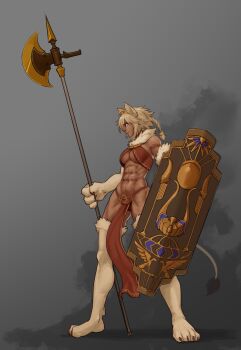
In ancient Egyptian mythology, Sekhmet is a warrior goddess as well as a goddess of healing. She is depicted as a lioness or a woman with the head of a lioness.
Sekhmet was also seen as the protector of the pharaohs and help them in warfare. Upon death, she continued to protect them, bearing them to the afterlife.
Her name is a derivation of the Egyptian word "Sekhem" (meaning "power" or "might") and is usually translated as the "Powerful One" or "She who is Powerful".
Synonyms, epithets and titles
- Sakhmet, Sekhet, Sakhet, Scheme, Sachmet
- "She who is powerful", "She who dances in blood", "The one who loves "Ma'at":[https://en.wikipedia.org/wiki/Maat]" ... (and so many more; check "here for further names":[https://www.sacredegypt.com/blog/100-names-of-sekhmet])
Hieroglyphic notations[sup]*1[/sup]
[sup]*1[/sup][sub]Not seeing Egyptian hieroglyphs here? Your device might lack rendering support for hieroglyphs. "This wikipedia article here can help you fixing it":[https://en.wikipedia.org/wiki/Help:Multilingual_support#Egyptian_hieroglyphs].[/sub]
- 𓌂𓐍𓏏𓁐
- 𓁴
Historical depictions
Symbols and associations
- Colors: Red (for destructive aspects), green (for healing aspects)
- Symbols and accessories: "Ankh":[https://en.wikipedia.org/wiki/Ankh], "sun disc":[https://en.wikipedia.org/wiki/Solar_symbol#Solar_disk], papyrus scepter, "Sekhem scepter":[https://en.wikipedia.org/wiki/Sekhem_scepter], the eye of Ra, rosettes, red linen
- Associations: Lions, plagues, war, alcohol/intoxication, healing, surgery, protection, power, upper Egypt, pomgrenades
Relations
- Hathor - because some sources remark that Hathor transformed into Sekhmet
- Bastet - as the counterpart and/or appeased version of Sekhmet
- Ra - her father/creator
- Ptah - her consort
- Maahes - one of her sons (depending on source)
- Nefertem - one of her sons (depending on source)