←Back to Wiki
domestication
📅 Updated:2026-06-30
🕒 Created:2024-10-23
🆔 ID:63792
Description
thumb #1779475
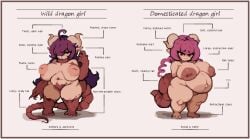
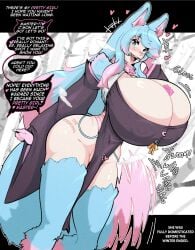
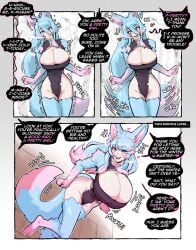
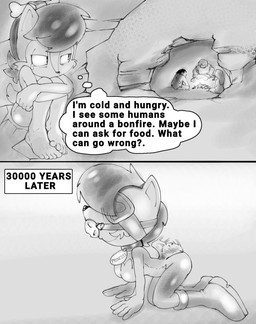
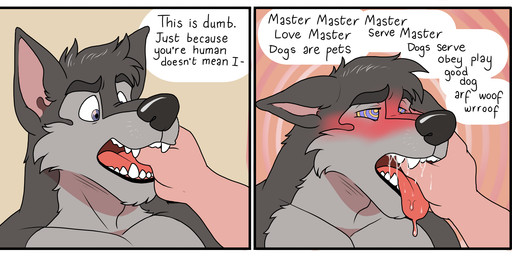
When the core nature of a character or group is changed, especially by another character or group. This generally, though not always, means in either a way reminiscent of a tame animal, or towards a more complex, social, or civilized way of life, despite those seemingly being opposites. The crucial part is that whatever said character or group has been shaped into must now be an intrinsic part of them. Something that's a part of their identity, inherent behavior, or that they enthusiastically embrace. This means that mere roleplay doesn't count. For instance, if a character is shown acting like a pet, they must really think of themself as a pet for it to count as domestication, otherwise it's just petplay. A post with this tag must show domestication being done, reference it, or have a character that's been domesticated.
When the core nature of a character or group is changed, especially by another character or group. This generally, though not always, means in either a way reminiscent of a tame animal, or towards a more complex, social, or civilized way of life, despite those seemingly being opposites. The crucial part is that whatever said character or group has been shaped into must now be an intrinsic part of them. Something that's a part of their identity, inherent behavior, or that they enthusiastically embrace. This means that mere roleplay doesn't count. For instance, if a character is shown acting like a pet, they must really think of themself as a pet for it to count as domestication, otherwise it's just petplay. A post with this tag must show domestication being done, reference it, or have a character that's been domesticated.
[quote]
Some Examples of Domestication:
thumb #5388528
[/quote]
[/quote]
- A species of wild creature has been bred into easily trained pets.
- An individual character has been made to truly consider themself a pet.
- A race of sapients have been made to inherently desire to serve others.
- A group whose natural mindset was more animalistic has been made more civilized.
- A character or species's very biology has been altered to be more appealing or useful.
See also:
- taming: Where a character is trained like a pet to be more obedient.
- stepfordization: A type of domestication or transformation into a house spouse stereotype.
- uplifted: When a creature is made intelligent like a person. This can involve domestication, but more refers to gaining sapience.